Transform Your Frontline Training into Entertainment That Actually Works
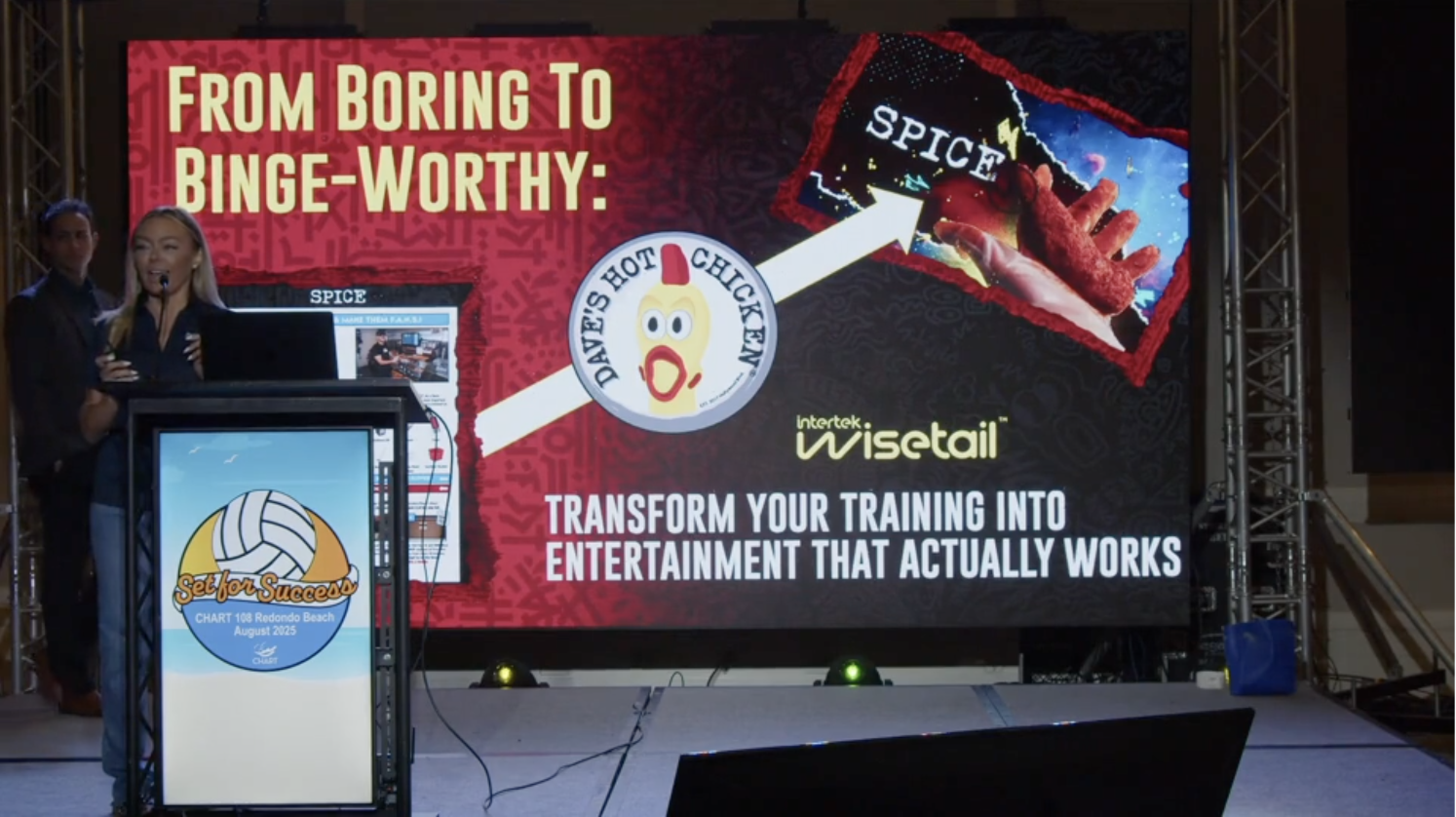
Dave's Hot Chicken shared their secrets during our CHART 108 breakout session.
We teamed up with Dylan Bitticks, Director of Training at Dave's Hot Chicken, to share how to create binge-worthy training that drives real ROI. Check out the key takeaways, watch the session, and grab the presentation deck below.

Proud CHART partner for over 10 years!
CHART 108
It’s time to level up your training.
From smarter storytelling to measurable results, here’s how to turn your training into something your team actually wants to watch.

Check out key takeaways and breakout sessions from
last year's CHART 106 in Chicago.
CHART Talks: Revolutionize Your Routine with Evan Melick, Wisetail
Evan Melick, Vice President of Product & Marketing, took the stage at Chart 106 during the renowned CHART Talks series to discuss revolutionizing your routine. Check out her full session!
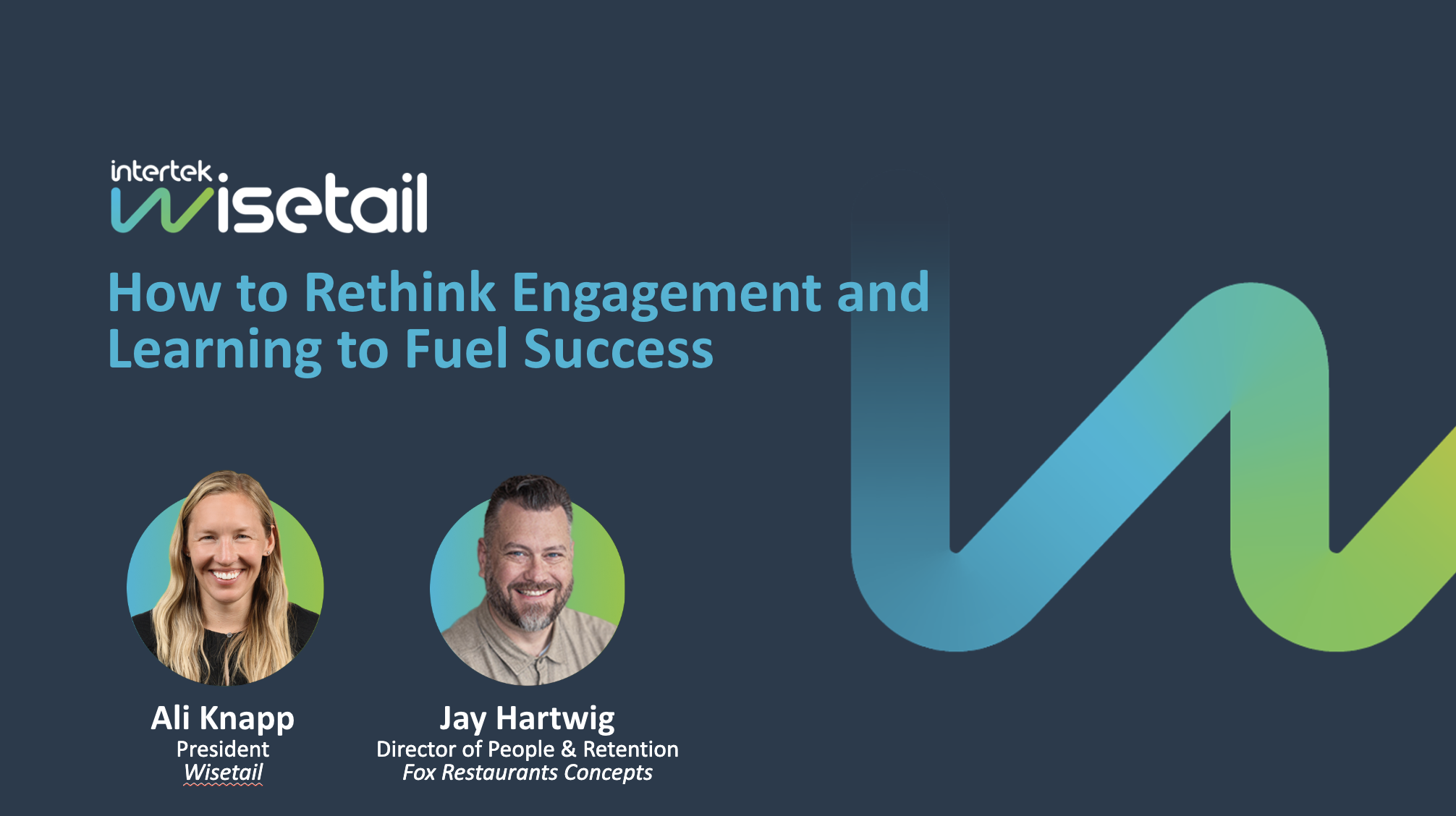
Chart 106 Breakout Session
Step beyond routine box-checking and going through the motions by examining L&D initiatives to discover how intentional approaches can dramatically elevate competency and confidence, reshaping the way we learn, work, and grow together.
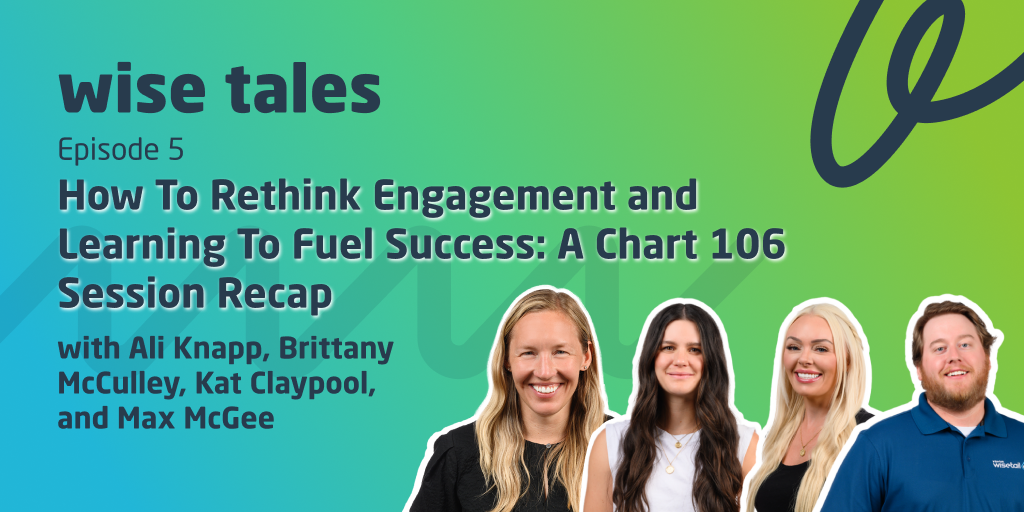
Wise Tales Episode 5
Wisetail's own Ali Knapp, Kat Claypool, Max McGee, and Brittany McCulley share insights from their experience at CHART 106, with a focus on creating engaging learning environments and enhancing training programs through empathy, tech, and clear communication.
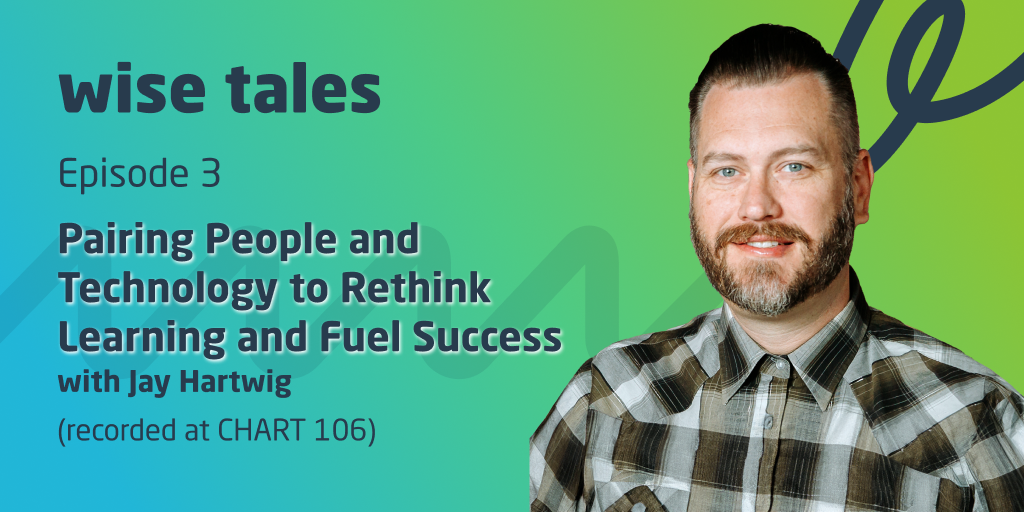
Wise Tales Episode 3
Jay Hartwig shares his insights on fostering a culture of growth and retention within the dynamic restaurant industry. With over 25 years of experience, Jay discusses the nuances of managing diverse brands and the importance of human connection in training and development.
CHART 106
How to Rethink Engagement & Learning to Fuel Success
Key Takeaways from Ali Knapp of Wisetail and Jay Hartwig of Fox Restaurant Concepts

Ali Knapp
President,
Wisetail

Jay Hartwig
Director of People and Retention,
Fox Restaurant Concepts

Be intentional with L&D practices and implementations
Set clear expectations to keep your team aligned. User-friendly, intuitive, and personalized training helps learners feel valued and engaged. When facing high churn, engagement in your training programs will be your strongest ally.

Provide continuous learning opportunities for employees
Make every level special to keep learners engaged with continuous learning. Show career paths to encourage interest. By fostering a culture of ongoing development, you empower employees to grow their skills and remain engaged in their roles.

Tailor methods and communication to your learners
Understanding your audience is key to effective learning. Target various learning methods with varied content – to start, microlearning and interactive content. Ensuring that each individual receives the support and resources they need to succeed.

Lean into technology to support L&D best practices
Leverage technology to streamline and automate processes, allowing you to focus on what truly matters—building meaningful, human-centered learning experiences. Create efficiencies that free up time for more personalized and impactful interactions.
Goals, metrics, and time management.
- Conduct a needs assessment, gather feedback through surveys, and secure buy-in from stakeholders and departments through collaboration.
- Work backwards by starting with desired outcomes, and implement an incremental rollout with small, manageable releases.
- Develop a business case, create a timeline and communication plan, and define delivery methods that align with the program’s goals.
- Establish measurements, recognize achievements, conduct a risk analysis, and ensure every level of the organization is prepared to support and execute the training effectively.
Goals, metrics, and time management.
- Conduct a needs assessment, gather feedback through surveys, and secure buy-in from stakeholders and departments through collaboration.
- Work backwards by starting with desired outcomes, and implement an incremental rollout with small, manageable releases.
- Develop a business case, create a timeline and communication plan, and define delivery methods that align with the program’s goals.
- Establish measurements, recognize achievements, conduct a risk analysis, and ensure every level of the organization is prepared to support and execute the training effectively.
Make every level special.
- Develop a recognition program that rewards employees for achieving different levels of training.
- Make learning enjoyable and desirable by showing employees the potential future paths available through continuous training.
- Implement a blended approach and ensure buy-in from top leadership.
- Require every level of the organization to complete training so they can effectively support and execute it.
Make every level special.
- Develop a recognition program that rewards employees for achieving different levels of training.
- Make learning enjoyable and desirable by showing employees the potential future paths available through continuous training.
- Implement a blended approach and ensure buy-in from top leadership.
- Require every level of the organization to complete training so they can effectively support and execute it.
Consistency is key.
- Implement gamification and tie data to business metrics to drive meaningful engagement.
- Use a central hub for communication and updates to keep everyone informed.
- Collect feedback regularly and offer Chatbox AI for additional support.
- Conduct weekly webinars to maintain consistent interaction and learning.
Consistency is key.
- Implement gamification and tie data to business metrics to drive meaningful engagement.
- Use a central hub for communication and updates to keep everyone informed.
- Collect feedback regularly and offer Chatbox AI for additional support.
- Conduct weekly webinars to maintain consistent interaction and learning.
L&D shows up in every metric.
- Assess retention, turnover, and employee engagement as key indicators of success.
- Measure guest satisfaction through surveys and evaluate impacts on brand standards, food costs, waste reduction, and mistake frequency.
- Track positive changes in sales performance and time to competency.
- Monitor training completion rates and compliance tracking to ensure adherence to learning and development goals.
L&D shows up in every metric.
- Assess retention, turnover, and employee engagement as key indicators of success.
- Measure guest satisfaction through surveys and evaluate impacts on brand standards, food costs, waste reduction, and mistake frequency.
- Track positive changes in sales performance and time to competency.
- Monitor training completion rates and compliance tracking to ensure adherence to learning and development goals.
Empathy at every step.
- Ensure clear communication, set expectations, and use trainers who understand the “why” behind the training.
- Tailor your approach to meet learners where they are, providing an environment that allows for mistakes and encourages the right mindset.
- Create a conducive learning environment, both physically and emotionally, while reinforcing core values and culture.
- Gain buy-in from leaders and others through incentives, and celebrate successes publicly and privately.
Empathy at every step.
- Ensure clear communication, set expectations, and use trainers who understand the “why” behind the training.
- Tailor your approach to meet learners where they are, providing an environment that allows for mistakes and encourages the right mindset.
- Create a conducive learning environment, both physically and emotionally, while reinforcing core values and culture.
- Gain buy-in from leaders and others through incentives, and celebrate successes publicly and privately.